
The Multi-Tenant Support Isolation Challenge
Multi-tenancy is the architectural standard for modern software-as-a-service. A single application codebase and shared infrastructure serve thousands of customer companies, with logical isolation boundaries ensuring that Tenant A cannot see, query, or modify the data of Tenant B.
Engineering teams invest immense effort into database row-level security (RLS), tenant-scoped Redis keys, and isolated cloud storage buckets. Yet when it comes to customer support, these rigorous boundaries are frequently neglected. Companies casually funnel all support requests into a generic, unsegmented inbox where an agent might accidentally forward one customer's diagnostic logs or contract details to an entirely different customer.
In B2B SaaS, a cross-tenant data leak inside customer support is just as catastrophic as a SQL injection vulnerability in your core database. Establishing robust multi-tenant SaaS customer support infrastructure is essential for enterprise trust.
Common Failure Modes in Multi-Tenant Support
Examining how support isolation breaks down reveals the primary vulnerabilities:
1. Client-Side Organization Claiming
Some SaaS applications allow frontend widgets to pass an organization_id parameter directly from the browser without server-side verification. An attacker can modify the DOM, change the organization ID, and view open tickets or proprietary discussions submitted by other organizations.
2. Shared Email Domain Conflation
If two different customer organizations use common corporate domains (or contractors using generic Gmail addresses), a naive helpdesk that automatically groups tickets by email domain will merge independent accounts into a single shared profile, granting one client visibility into another's tickets.
3. Agent Console Context Confusion
When an agent supports multiple customer brands or enterprise tiers, they frequently juggle several open tabs. Without clear visual demarcation and automated queue segregation, agents inadvertently reply to a premium client from the wrong brand identity or send internal technical notes directly to the customer.
Zero Trust in Support
Never rely on human vigilance to preserve tenant boundaries. The architecture must enforce isolation programmatically at the API, session, and database layers.
Architectural Pattern: Organization & Tenant Mapping
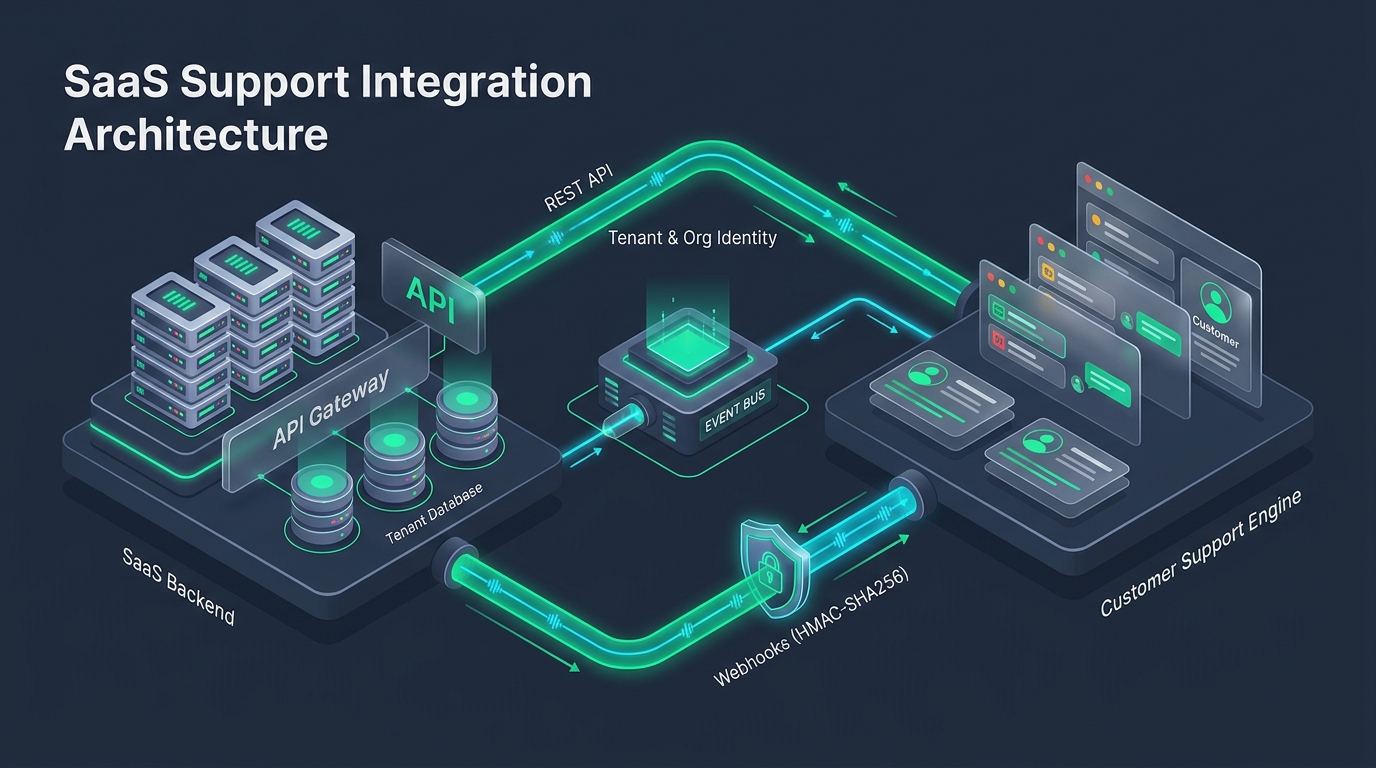
To preserve tenant isolation across support operations, implement a three-tiered identity mapping architecture:
| Layer | Internal SaaS Representation | Support Platform Mapping |
|---|---|---|
| Tenant Account | tenants.id (UUID) |
Dedicated Organization entity with unique external ID |
| User / Member | users.id & users.email |
Contact record bound strictly to the parent organization |
| Role / Permission | memberships.role (Admin, Member, Viewer) |
Determines whether the user can view all company tickets or only their own |
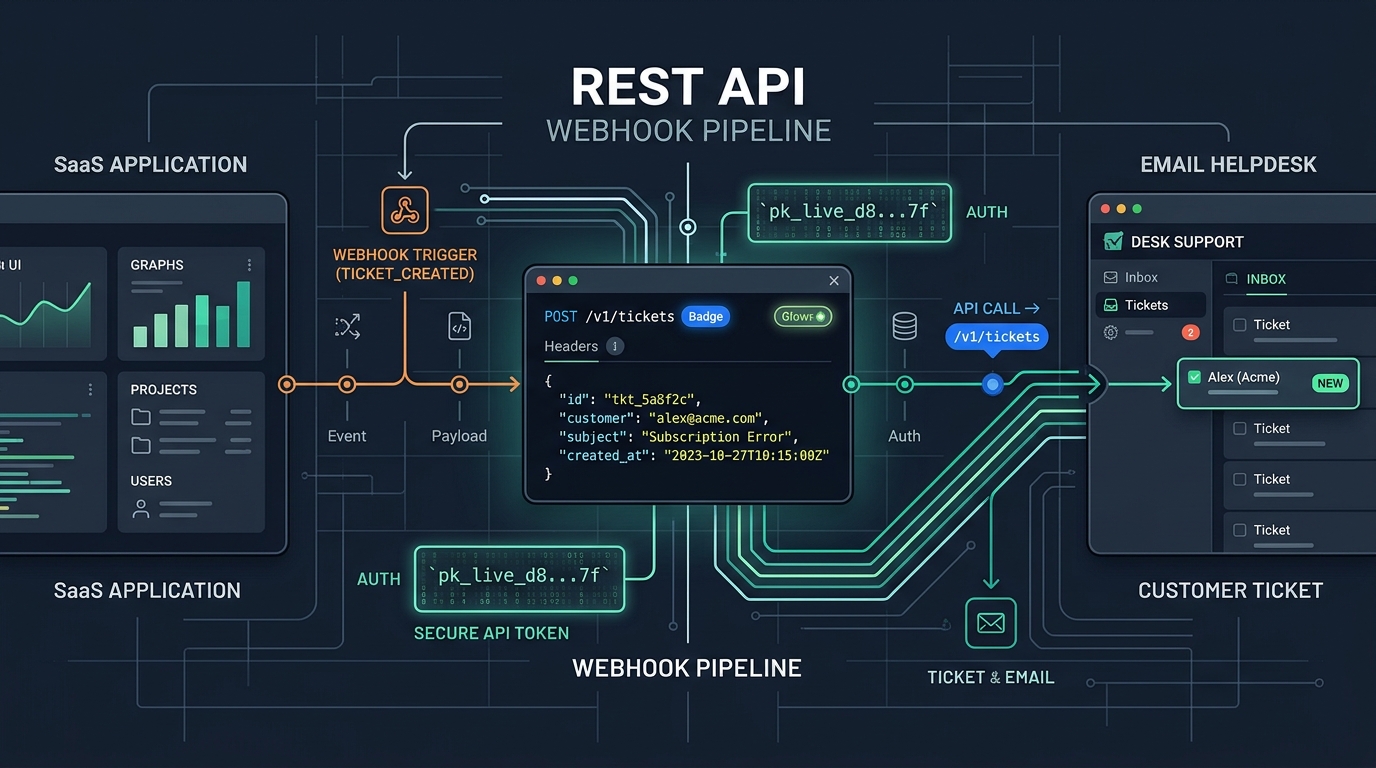
When an authenticated user requests support, your application backend verifies their active organization context before interacting with the support system:
- Validate the user's JWT or server session.
- Ensure the user is an active member of the requested
tenant_id. - Tag the ticket with the verified
tenant_idand route it to the inbox configured for that specific product or SLA tier.
Partitioning Public Documentation vs. Private Tickets
A multi-tenant support architecture must clearly bifurcate public self-service content from authenticated, private customer data:
- Public Knowledge Base: General tutorials, getting-started guides, and public API references should be statically hosted on a custom subdomain (e.g.
help.yourdomain.com). This content is globally cacheable and requires zero authentication. - Authenticated Ticket History: Ticket discussions, bug reports, and file attachments must reside behind authenticated boundaries. Only verified members of the tenant organization should ever have access to ticket status and historical conversations.
Multi-Brand Portfolio Isolation
Many SaaS operators and indie studios manage several distinct products under one umbrella company. For example, a software company might operate an email warmup tool, a social media scheduler, and an analytics micro-app.
In this scenario, multi-tenancy extends to brand isolation:
- Each product requires its own inbound email address (
support@app-a.comvs.help@app-b.com). - Each product needs independent SPF and DKIM authentication records so outbound messages pass DMARC checks.
- Customer replies must strictly reflect the typography, logo, and tone of the specific product domain.
With HDdesk, teams manage up to 30 independent brand inboxes from a single unified workspace. Internal agents triage a unified queue while every customer interaction remains strictly quarantined within its respective brand identity.
Compliance, Auditing, and Verification
For B2B SaaS companies seeking SOC 2 Type II or ISO 27001 certification, support data isolation is a critical audit checkpoint. Auditors will examine:
- Whether support staff access is gated by least-privilege role definitions.
- Whether customer ticket exports are restricted by organization boundaries.
- How customer data deletion requests (GDPR Right to Erasure) are propagated from the core application to the support platform.
By enforcing clean tenant boundaries in your support pipeline from day one, you protect customer data, preserve company credibility, and lay the operational groundwork for enterprise scale. Learn more about HDdesk's multi-inbox architecture or explore our transparent pricing.